Monday, December 29, 2025
Debbi DiMaggio

Unexpected Ways Luxury Outdoor Kitchens Elevate Entertaining

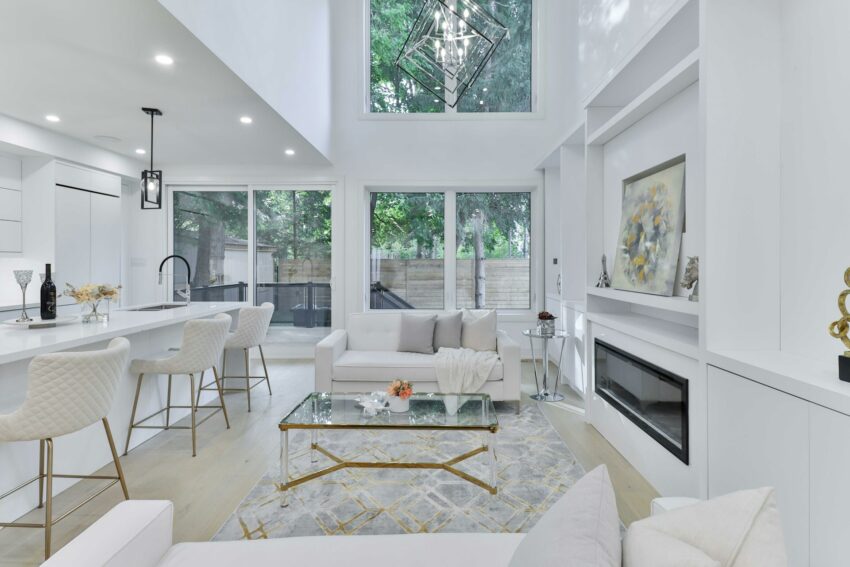
Outdoor entertaining has shifted from casual grilling to a full hosting experience that supports comfort, timing, and flow. Luxury outdoor kitchens sit at the center of this change by reshaping how people gather, cook, and stay connected during events. These spaces support longer visits, smoother hosting, and better use of outdoor areas across seasons. The result is entertaining and feels easy while still offering structure and control.

How Outdoor Cooking Spaces Shape the Social Pace

A well-planned outdoor kitchen changes how guests move and interact during a gathering. The cook stays present instead of stepping away, which keeps conversation active and relaxed. Surfaces, seating, and clear paths guide people naturally without instruction. This steady rhythm allows events to unfold without rushed moments or idle gaps. Guests feel included because the host never disappears from view. The space quietly manages momentum without drawing attention to itself.

How Outdoor Kitchens Stay Visually Clean While Supporting Daily Use

Outdoor kitchens work best when visual appeal supports daily use rather than distracting from it. Clean surfaces, consistent materials, and thoughtful lighting make the space feel intentional. Luxury kitchens balance function with beauty by keeping tools close and clutter low. Guests notice ease before style, which sets a calm tone for hosting. This balance also reduces mental load for the host during busy moments. The space feels welcoming instead of demanding attention.

Why Careful Planning Leads to Smoother Outdoor Kitchen Builds

Building an outdoor kitchen involves layered decisions that shape comfort, flow, and long-term usability. Layout, utility access, appliance placement, and material choices all benefit from a structured plan established early. When these elements align from the outset, the build progresses with fewer revisions and less disruption.

That same planning mindset becomes especially valuable when relocating to a new home. In this case, choosing white glove services allows complex installations to unfold with precision, as teams coordinate delivery, placement, and setup in a single, controlled process. Furniture, appliances, and outdoor kitchen components arrive ready for immediate use rather than staged over multiple days. This approach reduces downtime, protects finishes, and supports a smoother transition from planning to everyday living. As a result, homeowners can focus on hosting and enjoying the space rather than managing logistics or correcting avoidable issues.

Outdoor Kitchens Extend Hosting Seasons

Outdoor kitchens allow gatherings to continue well beyond the summer months. Covered cooking areas, heat sources, and wind protection keep guests comfortable in cooler weather. These features reduce reliance on indoor space during large events. Hosts gain flexibility without changing how they entertain. Seasonal use also helps justify the investment over time. Regular use builds stronger hosting habits throughout the year.

Unexpected Ways Luxury Outdoor Kitchens Elevate Entertaining 1

How Outdoor Kitchens Connect Visually With the Rest of the Home

Outdoor kitchens feel more natural when they connect visually with indoor spaces. Materials, colors, and proportions that echo sophisticated interiors help create one continuous experience. Guests move between spaces without sensing a divide. This continuity supports smoother hosting and better traffic flow during busy events. It also prevents the outdoor area from feeling secondary or temporary. The home feels unified during gatherings.

How Luxury Outdoor Kitchens Support Effortless Hosting

Hosts gain control over timing and service when food prep stays outdoors. Luxury outdoor kitchens allow cooking, plating, and serving to happen in one zone. This setup reduces interruptions and keeps the host engaged with guests. The space works as both a kitchen and a gathering point. Hosting feels shared instead of managed. That shared energy keeps events relaxed and social.

Sound, Lighting, and Comfort Matter

Comfort shapes how long guests stay and how relaxed they feel. Soft lighting reduces glare while still keeping work areas visible. Sound control through layout and materials helps conversation stay clear. These details prevent fatigue during longer events. Guests remain present instead of drifting indoors. Comfort quietly supports longer, better conversations.

Flexible Layouts for Different Group Sizes

Outdoor kitchens can support both small dinners and larger celebrations. Movable seating and clear counters allow quick adjustments. Hosts avoid resetting the entire space between events. This flexibility promotes frequent use without added effort. The space adapts to the gathering instead of limiting it. Hosts feel free to invite without hesitation.

Why Straightforward Design Makes Outdoor Kitchens More Comfortable

Clarity in layout keeps outdoor kitchens easy to use. A minimalist kitchen approach limits excess features that complicate movement. Clear zones for cooking, serving, and seating reduce confusion. Guests feel comfortable stepping in to help without guidance. Shared use strengthens social ease. The space feels open even during busy moments.

Unexpected Ways Luxury Outdoor Kitchens Elevate Entertaining 2

Maintenance That Protects the Experience

Ease of care affects how often outdoor kitchens get used. Durable surfaces and weather-ready fixtures limit cleanup time after events. Simple upkeep protects the hosting routine from stress. Owners gain confidence using the space often. Confidence leads to more spontaneous gatherings. Less effort removes barriers to hosting.

Why Outdoor Kitchens Improve Guest Memory

People remember how an event felt more than specific details. Outdoor kitchens support steady interaction, shared moments, and relaxed pacing. These elements help guests associate gatherings with comfort and connection. That memory encourages repeat visits. Familiarity builds over time through repeated use. The space becomes part of the social routine.

How Outdoor Kitchens Reduce Hosting Fatigue

Hosting often brings hidden strain through constant movement and planning. Outdoor kitchens reduce this strain by keeping tasks contained in one area. The host avoids repeated trips indoors that break focus. Energy stays steady throughout the event. Lower fatigue allows the host to enjoy the gathering as well.

Encouraging Natural Guest Participation

Outdoor kitchens invite guests to engage without pressure. Clear counters and open layouts make it easy to offer help. Guests pour drinks, pass plates, or watch food prep naturally. This shared involvement reduces formality. Participation strengthens connection without creating obligation.

Supporting Multi-Generational Gatherings

Outdoor kitchens work well for groups with varied needs. Older guests appreciate stable seating and clear walkways. Younger guests enjoy being close to activity without crowding. The layout allows everyone to find comfort. This balance keeps all ages engaged during events.

Entertaining Gains Depth With Luxury Outdoor Kitchens

Outdoor kitchens change entertaining by supporting presence, comfort, and ease throughout events. Luxury outdoor kitchens allow hosts to stay engaged while managing food and flow without strain. The space becomes a natural center for gatherings across seasons. This shift turns hosting into a shared experience rather than a task. It also raises expectations for how outdoor space should function. Over time, it reshapes how people connect at home.
Tuesday, December 2, 2025
Debbi DiMaggio

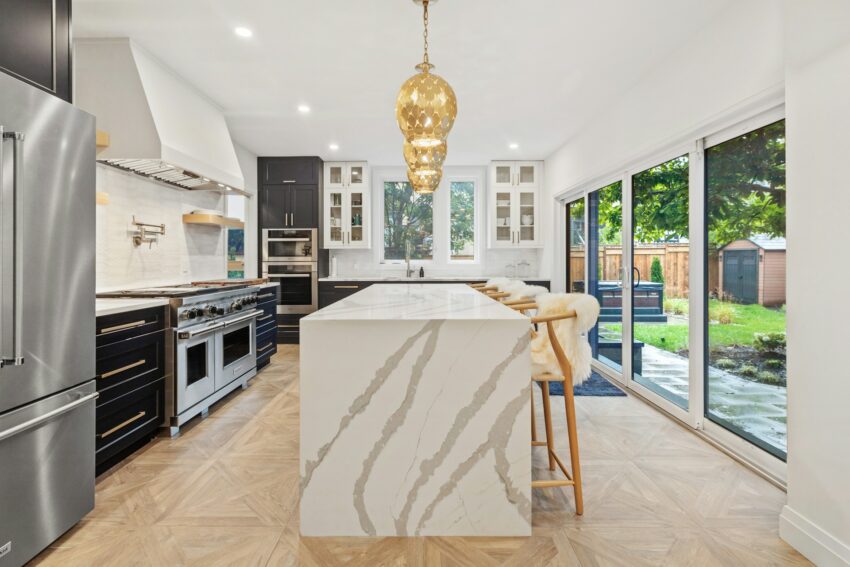
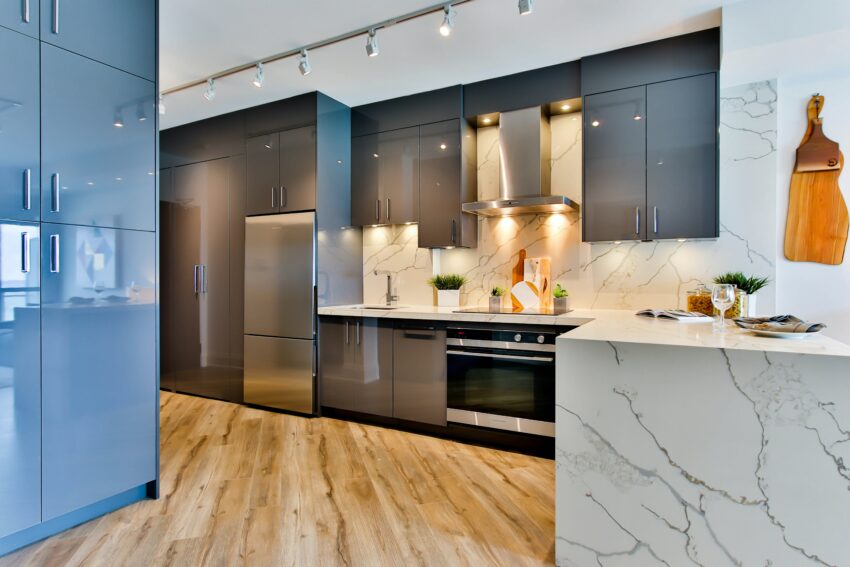
a luxurious kitchen that balances function with beauty

A luxury kitchen should look exceptional. Yet it must also support daily life with comfort and ease. That perfect mix helps your home feel complete. When you explore how a luxury kitchen balances function with beauty, you learn it is not only about fancy finishes. It is about spaces that help you cook, entertain, and enjoy every moment. Learn all about thoughtful design, smart storage, and stylish choices that work together.

The Art of Building a Luxury Kitchen

Balancing beauty and practicality takes planning. You want your kitchen to feel like a dream space. Yet it must handle real cooking habits. Think about how you move through the room. Place the stove, fridge, and sink in a layout that saves steps. This flow helps you prepare meals with less effort. Also, pick appliances that match the room. Sleek designs can hide power behind style. You want a space that can handle busy mornings and also shine during weekend parties. Matching colors, finishes, and shapes creates harmony and comfort. When your kitchen looks and feels right, cooking becomes a joy.

Style Meets Purpose in Every Choice

In a luxury kitchen, every detail matters. Design choices must combine practicality and style, add beauty, and make life easier. You want counters that feel good to use and also look clean and modern. Pick durable materials, like quartz or marble, that stay strong over time. Soft colors help the room feel peaceful. Stainless or matte-black fixtures bring a touch of class while staying simple to clean. You can mix comfort and style in many ways. Taller cabinets give more storage and make the room look bigger. Wide drawers help you reach items fast. When looks and purpose work together, you get a space that welcomes guests and supports family life.

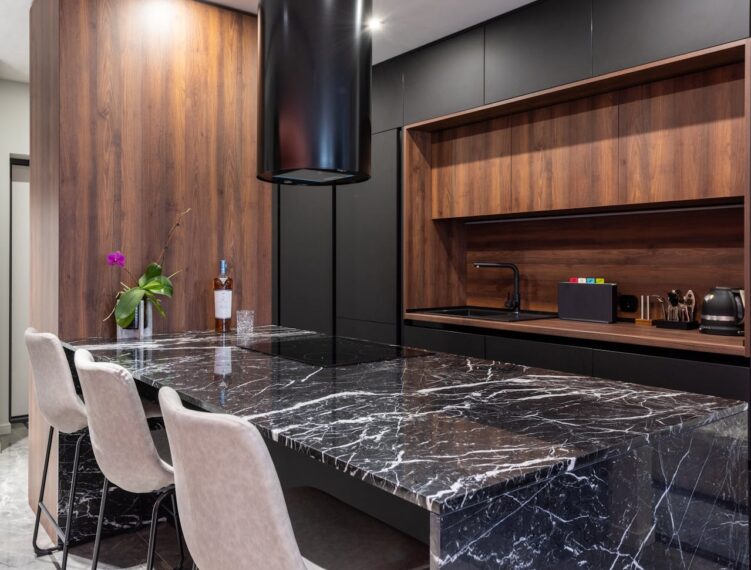
marble countertop in a luxury kitchen

Luxury kitchens balance function with beauty, with durable materials.

Smart Storage That Fits Your Lifestyle

Storage shapes how your kitchen works each day. It also influences style. Brands and interior designers often say that storage is an integral part of the process when building a luxury kitchen. There are many ways storage helps interior designers. It helps organize tools and food so everything stays clean and calm. Pull-out shelves help you reach pans fast. Built-in spice racks keep flavors close while cooking. Hidden bins make recycling simple. Tall pantry cabinets store groceries without clutter. These solutions make life easier while keeping surfaces clear and looking unused. A tidy room always looks more high-end. Good storage supports both daily use and stylish design. It gives you the freedom to keep your kitchen looking fresh without constant cleanup.

Materials That Bring Comfort and Quality

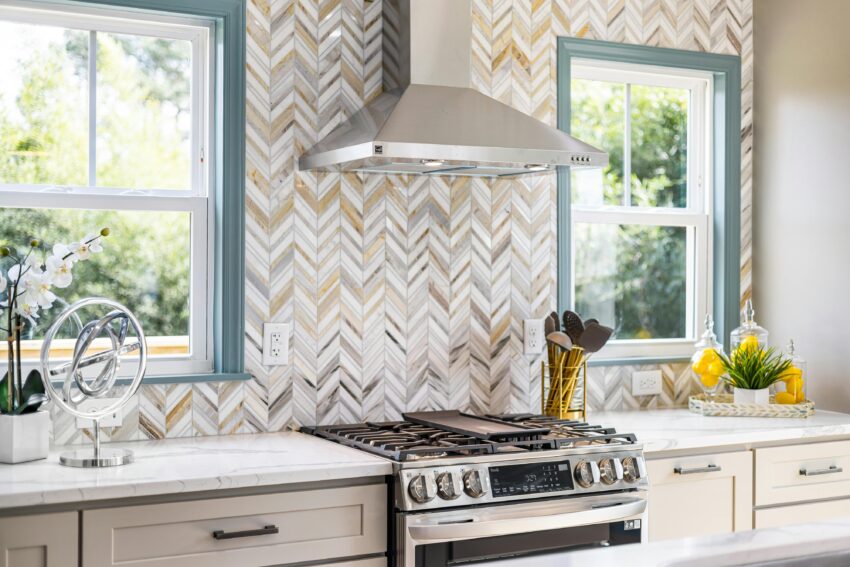
High-end materials and textures can make your kitchen shine with style and also work well. Along with marble countertops, which resist stains and scratches during cooking, there are others. Hardwood floors bring natural warmth and can last for decades. Stainless steel keeps bacteria away more easily than many other surfaces. Ceramic tiles protect walls from heat and splashes. These choices help your kitchen stay strong while looking beautiful. Buyers love these upgrades because they add value and charm. When you choose materials you love, you enjoy more comfort each day. It is a smart move for any homeowner who wants long-term pleasure from their space.

quality materials in a kitchen

Along with marble, hardwood brings class and functionality to your kitchen.

Lighting That Makes the Space Glow

Light shapes how you see and enjoy your kitchen. Good lighting can lift your mood, show off design details, and transform your kitchen. Use layers of light for balance. Ceiling lights brighten the whole space. Under-cabinet lights make cooking safer by reducing shadows. Pendant lights above an island create a stylish focal point. Natural light brings energy and cuts the use of electricity. Lighting also helps food look better during meals. When your kitchen glows, the whole home feels more welcoming. People enjoy time together there. That mix of beauty and comfort is powerful for daily life.

Appliances With Style and Power

Luxury kitchens use appliances that blend into the room and work hard every day. Many high-end brands offer sleek ovens, smart fridges, and quiet dishwashers. These tools help you cook with speed and control. Smart features, such as temperature alerts or voice commands, make life easier. You might choose a fridge with hidden doors that match the cabinets. Or a stove that becomes the centerpiece without taking over the space. When appliances look stylish and help you cook better, your kitchen offers more joy. You get a strong mix of power and comfort that feels great to use.

Personal Touches That Reflect You

Your kitchen should show your taste. Simple décor can add charm without creating clutter. You can display bowls of fruit or fresh herbs for color. Artwork brings personality without taking space. Soft rugs add comfort while cooking. Even barstools can show style through clean lines or fun fabrics. Think about a feature wall or a unique tile design. Personal touches help your kitchen feel alive. They turn a nice space into your favorite room. And they give guests something to admire when they visit.

luxury kitchen with bar stools

Play with lighting and fun touches such as bar stools.

A Kitchen Designed for Cooking and Hosting

A great luxury kitchen handles both quiet mornings and lively celebrations. You may want a large island with seating for guests. It can be a snack spot or a social hub during dinner. Open layouts connect cooking and conversation. Music, drinks, and food come together in one warm space. Many homeowners love this feature because it supports both family time and events. When a kitchen helps people come together, it becomes the heart of the home. This idea is a key part of how luxury kitchens balance function with beauty, especially in larger homes.

Conclusion: How Luxury Kitchens Balance Function With Beauty

Your kitchen can be stylish and practical without giving up either side. When you design with both form and purpose in mind, you build a space that supports life and looks impressive. Using the right layout, smart storage, and warm lighting helps your kitchen feel friendly and modern. Add quality materials and great appliances to make daily tasks feel easier. When you shape your kitchen with care, you enjoy every moment inside it. That is the true power of luxury kitchens: to balance function with beauty. With the right ideas, your home can shine and serve you well for years to come.

Thursday, October 30, 2025
Debbi DiMaggio

iwood-R5v8Xtc0ecg-unsplash

Texture is the secret ingredient in sophisticated interiors because it adds warmth, depth, and emotional balance to a space. While color and furniture shape define the visual direction of a room, texture builds the feeling behind it. From rough brick to soft linen, the touch and appearance of materials influence comfort and mood. Designers use texture to elevate interiors from plain to refined, creating spaces that look inviting and feel complete, where thoughtful materials and balanced finishes never lose their appeal.

The Secret Ingredient in Sophisticated Interiors That Defines Style

Texture gives design life and character. It shapes how a space feels, not just how it looks. Smooth surfaces create calmness, while coarse finishes build visual excitement. A room full of similar textures feels flat, but a mix of stone, fabric, and metal feels rich and balanced.

In high-end interiors, texture is as vital as layout. A velvet sofa beside a matte wall and a glass coffee table tells a story of balance, softness, strength, and clarity. To achieve this harmony, designers often incorporate vintage pieces that add history, depth, and tactile contrast qualities, which is why texture is the secret ingredient in sophisticated interiors. These thoughtful combinations keep the eye engaged while making the space feel natural, inviting, and comfortably refined.

The Power of Layered Textures in Home Design

Layering texture builds sophistication. Start with the base: walls, floors, and ceilings. Add fabric, metal, and wood to create depth. Rugs soften hard surfaces, while curtains filter light gently. Each material adds a layer of comfort and interest.

For example, pairing a concrete wall with soft drapery reduces harshness. A wool rug over a wooden floor grounds the room. These choices help the home feel warm yet stylish. Even minimal spaces gain character when texture is used thoughtfully. This principle applies across styles, modern, rustic, industrial, or classic. Texture connects them all through touch and tone.

lotus-design-n-print-xroM8RaMnSI-unsplash

Thoughtful layering of textures adds depth, warmth, and character, creating balance and sophistication across any interior style.

Using Texture to Express Personality

Texture reflects personality as much as color does. Rough finishes show boldness and creativity, while smooth textures suggest order and calm. Combining both helps represent balanced living. For those who move often or update decor frequently, portable texture pieces like throws, cushions, and art can easily refresh a room. They provide style without requiring renovation.

If you are handling fragile items such as glass decorations or ceramics, you must know how to pack glass decorations for a move and think beyond the design. Texture also plays a role in protection. During relocation, materials matter: soft fabrics and bubble wraps guard against scratches. This careful layering mirrors how designers layer textures in interiors. Both methods create balance, stability, and thoughtful attention to detail.

Balancing Hard and Soft Textures for Harmony

Every room needs contrast. Hard materials like marble, metal, and glass add strength. Soft materials such as cotton, velvet, and wool add comfort. The balance prevents a space from feeling too cold or too cluttered.

Hard surfaces reflect light, while soft ones absorb it. This mix controls brightness and creates depth. For instance, a marble countertop with wooden stools keeps the kitchen inviting yet refined. In living rooms, textured throw pillows or woven baskets soften structured furniture.

This combination creates harmony, the feeling that everything belongs together, without uniformity.

Texture and Light: Partners in Atmosphere

Light highlights texture. It changes how surfaces appear during the day. Morning light might reveal fabric detail, while evening shadows deepen the tones of wood. Designers study this interaction to shape mood.

A matte wall paint can calm a bright room, while reflective finishes make small spaces feel larger. Lamps with fabric shades diffuse light, producing a gentle contrast. When natural and artificial lighting work with texture, interiors gain dimension that color alone cannot achieve.

lotus-design-n-print-Alp8v3dpGh0-unsplash

Natural Textures That Ground Modern Spaces

Natural materials like wood, stone, and linen create balance in modern homes. Their organic textures add comfort to clean designs. Wood grains bring warmth, while stone surfaces express timeless strength.

Even artificial materials can mimic these effects when chosen wisely. Faux stone walls or bamboo-inspired finishes deliver texture without heavy maintenance. These natural textures remind us of outdoor calm, even within an urban apartment.

How Texture Enhances Color and Pattern

Texture deepens how color and pattern appear. A navy-blue velvet looks richer than the same color on cotton because velvet absorbs and reflects light differently. Textured patterns, such as embossed wallpaper, can make neutral tones exciting.

Designers often begin with texture before choosing color. Once the texture is right, color completes the atmosphere. The goal is not to overwhelm the eye but to create a balanced visual rhythm through touch and tone.

Texture in Small Spaces: Creating Visual Depth

Texture transforms small rooms without adding clutter. Light fabrics, reflective finishes, and layered textiles make compact spaces feel open yet cozy. A woven rug or patterned cushion introduces variety without crowding the room.

In bathrooms or kitchens, textured tiles offer grip and personality. Glass, metal, or matte finishes enhance contrast and improve light flow. The result is a space that feels intentional and visually engaging, even when limited in size.

How to Introduce Texture Gradually

Adding texture does not require a full redesign. Start small. Introduce textured throw blankets, baskets, or linen curtains. Add a rug with subtle patterns or switch to matte paint for one wall.

These small updates change how light interacts with the space, improving comfort and elegance. Over time, layering more textures builds a natural sense of timeless home decor without the need for overspending.

The Emotional Impact of Texture

Texture affects how we feel. Soft fabrics relax us, while rough finishes energize us. Balanced textures create emotional stability. A cozy chair beside a rough brick wall feels grounded and secure. Designers study this psychological response to craft spaces that nurture. A calm texture plan supports better rest, focus, and comfort, key goals in any sophisticated home.

When combined thoughtfully, texture becomes the secret ingredient in sophisticated interiors, adding warmth and depth that link traditional charm with modern amenities. This balance keeps spaces both comforting and functional, where every surface contributes to a sense of harmony and refined living.

Why Texture Remains the Secret Ingredient in Sophisticated Interiors

Texture is the secret ingredient in sophisticated interiors because it builds emotional warmth and visual depth that no color palette can replace. Through careful use of soft and hard surfaces, natural materials, and light, any space can feel refined and personal. When textures are balanced, rooms gain harmony, comfort, and elegance. True sophistication lies in these small details, the touch under your hand, the softness beneath your feet, and the visual rhythm across every surface. That is the power of texture.

Thursday, October 2, 2025
Debbi DiMaggio

planet-volumes-8wOb3Q1kFXU-unsplash

You want a home that looks good and works well. Design harmony helps you reach that goal. It connects rooms, patios, and gardens so daily life feels easy. Hosting becomes simpler. Cleaning takes less time. Spaces support each other instead of competing. Creating a flow from indoors to outdoors also raises perceived value, because people notice unity. Each decision can support comfort, function, and a calm visual story.

Why Design Harmony Matters

Connected spaces make daily life more enjoyable. Rooms that relate to one another create comfort and reduce visual clutter. This effect improves both mood and productivity. A cohesive design approach also raises property value. Buyers notice when interiors and exteriors align in style.

Think of the opposite. A modern kitchen that opens to a mismatched patio feels unfinished. You may find the contrast jarring and unwelcoming. Consistency, on the other hand, reduces stress and creates calm. People feel more at ease in homes where each part feels connected. That connection is what design harmony offers.

Another benefit is flexibility. If indoor and outdoor areas feel linked, hosting becomes easier. Guests can move naturally across spaces without disruption. This type of design works especially well for families who enjoy entertaining.

Choosing the Right Materials for Unified Transitions

Choosing the right materials helps unify indoor and outdoor spaces. Flooring makes the biggest impact, so connect finishes across both zones. Porcelain tiles work well since they resist moisture, stains, and freeze-thaw cycles. Similarly, natural stone creates continuity; a honed interior tile paired with a textured exterior paver looks cohesive while adding grip and safety.

Wood also adds warmth. Extend interior wood floors with a deck in a related tone. Thermally modified wood resists decay, while composite decking needs less upkeep and provides steady traction. Keeping colors consistent avoids jarring shifts.

Threshold details strengthen the connection. Recess door tracks for safer movement, choose trims that complement both areas, and align grout joints for a clean flow. Together, these choices improve durability, comfort, and visual unity.

A house with a garden

The materials you use to tie spaces together can make or break an aesthetic.

Furniture and Décor for Visual Consistency

Furniture choices link spaces as much as architecture does. Consistency in style and finish avoids breaks in design. If your living room has clean, modern seating, a rustic patio set will feel misplaced. Matching or coordinating designs solves this problem.

Wood, rattan, and metal are versatile. These materials work inside and outside, keeping the style consistent. Cushions with weatherproof fabrics can reflect indoor colors. This maintains a line of connection that feels natural.

Patterns matter too. Repeating a stripe, texture, or tone ties both areas together. Rugs, throw pillows, and planters echo indoor design cues outside. This creates a subtle but clear link.

Décor is also key. Indoor artwork should not compete with outdoor accents. Instead, choose pieces that share a palette or style. The result is a look that feels intentional instead of random.

If you have to move seasonal pieces, think about practical solutions. Hiring a company skilled in storing outdoor furniture keeps items safe during cold months. This ensures your patio setup looks fresh when warm weather returns.

A patio with a rug and chairs

While we might be tempted to go for cheaper options, it’s still important to keep the general style and décor to ensure cohesiveness in your spaces.

The Role of Natural Light in Creating Unity

Light builds harmony across home areas. Large windows, sliding doors, and skylights let daylight move through both spaces. This keeps interiors bright and connects them visually to outside areas.

Glass is essential here. Sliding glass doors, folding panels, and window walls remove barriers. They extend the view and make rooms feel bigger. Light spills across thresholds, linking spaces without major construction.

Skylights and clerestory windows also work well. They draw daylight deep into interiors. At the same time, they maintain sightlines with outdoor areas. Light becomes the connecting element.

This approach works in both large and small homes. Even a modest living room feels more open when sunlight continues to an outdoor deck. Natural light extends space visually, making it appear larger than it is. That continuity is a practical way to connect areas without structural change.

Landscaping as an Extension of Home Interiors

Planting can carry interior colors outward. If your living room uses cool grays, choose plants with silver foliage. Think olive, lamb’s ear, or dusty miller. For warmer palettes, use terra-cotta pots and grasses with bronze tones. The eye reads these links instantly.

Hardscape elements should echo interior materials. Repeat stone types across steps, seat walls, and fire features. Keep joint widths consistent where practical. Align key axes so patios, doors, and focal points line up. Straight lines support modern homes. Soft curves suit casual spaces.

Lighting after dark matters. Use warm LEDs to match indoor color temperature. Step lights improve safety and guide movement. Downlights in trees produce a gentle, natural effect at night. Motion sensors near entries save energy and add convenience.

Outdoor cooking and dining areas work best near the kitchen. Match countertop finishes where possible. Use similar cabinet tones for outdoor kitchens. Keep work triangles short. You carry trays a few steps, not across the yard. Guests move easily between serving areas and seating.

Designing the Perfect Flow From Indoors To Outdoors

The final step is arranging the layout to avoid breaks. Planning matters as much as materials and décor. Spaces should work together without unnecessary barriers.

Large openings help. Sliding doors or folding walls remove divisions. Patios positioned directly off kitchens or living rooms feel natural. This is where the flow from indoors to outdoors becomes clear.

Furniture placement reinforces this connection. Align seating areas so they point toward each other. A sofa inside and a sectional outside should share orientation. This encourages movement across spaces.

Entertainment areas work best when aligned. A dining table indoors and a second table outside keep hosting flexibly. People flow between them without interruption.

Walkways should also link directly. A kitchen door opening to a straight garden path feels connected. Curved or indirect routes often break the link. Planning layout carefully avoids these issues.

Bring Harmony Home

Design harmony creates homes that feel balanced and practical. Materials, light, furniture, and gardens all connect spaces in meaningful ways. These decisions influence comfort, hosting, and long-term value. When planned correctly, you achieve a strong flow from indoors to outdoors. This unity makes your home look better and function more effectively. It allows you to enjoy your property more fully, in every season.


Tuesday, August 12, 2025
Debbi DiMaggio


Modern living room

How to Incorporate Vintage Pieces Without Disrupting Modern Aesthetics

Some homes feel lifeless. Others feel lived-in. The difference often comes down to how you blend the old with the new. If your love of art, travel, and design has led you to collect unique items over time, you’re not alone. Many homeowners want to incorporate vintage pieces without disrupting modern aesthetics, but worry about clashing styles. You can bring charm and history into a contemporary space without creating chaos. This article will show you how.

Start with a Clean Modern Canvas

A successful room begins with a simple, intentional foundation. When you are settling into a new space, a clean, modern backdrop helps you plan where each item fits and keeps the process from feeling overwhelming. However, before moving in, labeling your boxes properly—two adjacent sides and the top, noting the room, and adding a bold “Fragile” where needed—can also make unpacking easier and save time when arranging your pieces.

After unpacking, remember that neutral walls like white or soft gray create contrast that lets vintage furniture and decor stand out. Clean lines and open layouts reduce visual noise, giving worn textures, aged metals, and rustic finishes room to shine.

Consistency is key. You don’t need to avoid bold choices—but everything should serve a purpose. Let your modern base support the antiques you bring in, not compete with them. A balanced setup draws attention to the details that matter most.

Select Vintage Pieces That Tell a Story

A vintage piece shouldn’t be an afterthought. Choose items that speak to you. Maybe it’s a mid-century armchair you found at a local estate sale. Or a faded map that reminds you of your childhood home.

These pieces shouldn’t just sit in a room—they should spark conversation. If you can explain why you chose them, they likely belong in your home.

Look for items that:

  • Reflect your values or history
  • Bring texture and depth to your space
  • Add warmth to cool, modern surfaces

A cracked leather bench, a brass lamp, or a rustic cabinet can soften even the sleekest interior. But always ask yourself—does this item help the room, or just take up space?

Balance Visual Weight and Scale Thoughtfully

Even beautiful things can feel off when the proportions don’t work. That’s where scale comes in. A vintage oak wardrobe might feel overpowering next to a slender metal bookshelf. But pair that same wardrobe with a low-profile sofa, and suddenly it works.

Use large vintage items as anchors. Then layer lighter or modern pieces around them. That prevents the room from feeling bottom-heavy or chaotic.

Don’t overcrowd. Give each piece enough room to breathe. This balance helps you incorporate vintage pieces without naturally disrupting modern aesthetics.

Pay attention to placement. A heavy item near a window might feel less bulky. A glass table next to a carved wood bench offers contrast that feels intentional.

Use Color to Connect Eras

Now it’s time to create harmony through color. This step often saves space from looking fragmented. Choose a consistent palette that runs through both your vintage and modern items.

Muted tones work well. Think olive greens, warm creams, or charcoal grays. These shades link different styles together without forcing them.

For instance, a Persian rug with rust and navy threads can echo the colors in your sofa cushions or curtains. A vintage oil painting might mirror the earthy tones in a modern kitchen backsplash.

Color can trick the eye. When the hues match, the styles start to cooperate. Suddenly, your home feels intentional instead of experimental.

Repurpose with Intent, Not Excess

Every vintage piece doesn’t need to stay in its original form. Think about how to reuse what you already own before adding more. An old ladder can become a towel rack. A weathered crate may work as open shelving. These choices create meaning while reducing clutter.

Too much of a good thing still overwhelms. Stick to one or two repurposed pieces per room. Let them complement the modern lines around them. Overcrowding kills the effect and makes unpacking harder, too.

Vintage décor pieces

You can incorporate vintage pieces without disrupting modern aesthetics by changing the pieces you have a little

Keep Functionality in Focus

Yes, beauty matters—but usefulness should come first. Do not bring in antique pieces that disrupt daily life. A vintage sideboard works well in a dining room, but not if its drawers jam or its shelves tilt.

Test every piece before placing it. Make sure chairs feel comfortable. Confirm that storage works. If something only adds charm but not value, rethink its place.

Modern living calls for flexibility. Don’t let nostalgia slow you down. Instead, let form and function meet with equal strength. That will help you incorporate vintage pieces without disrupting modern aesthetics, without sacrificing comfort or flow.

Layer with Textures and Natural Elements

Mixing materials brings personality into modern interiors. Wood, stone, aged leather, and soft cotton create depth. These work best when paired with clean elements like polished steel, glass, or lacquered finishes.

Add nature into the space to soften transitions. A large potted fig tree or a small herb garden bridges periods easily. That’s where indoor plants for luxury apartment living can do more than decorate—they create a visual link.

Use contrast. Let rough and smooth sit side by side. Pair shiny with matte. Keep at least one surface simple so the others can stand out.

Design Around Architectural Details

Each home holds its language. Instead of forcing furniture into a space, respond to the shapes already there. Arched windows or exposed beams deserve attention. Curved vintage mirrors or angular chairs can highlight these features.

If you’ve been relocating to luxury homes with unique architectural styles, respect the bones of the building. Mid-century homes look great with teak or walnut. Pre-war apartments might suit marble, velvet, and iron.

Stay Consistent with Your Vision

Jumping between styles without a plan can be confusing. Before placing anything, define your approach. What words describe your ideal space? Clean, moody, light, layered?

Stick with three key traits and let them guide your selections. Avoid mixing too many eras in one room. This rule helps you incorporate vintage pieces without disrupting modern aesthetics in a grounded, creative way.

Incorporate Vintage Pieces Without Disrupting Modern Aesthetics, And Let Old and New Work Together

A well-designed home feels personal, not staged. When you mix old and new with purpose, you create something timeless. If you want to incorporate vintage pieces without disrupting modern aesthetics, focus on balance, color, and story. Let your space speak clearly. Let your choices reflect intention, not impulse. Use what you love, place it with care, and always leave room to grow.


Images used:

https://unsplash.com/photos/white-and-black-wooden-table-with-chairs-js8AQlw71HA

https://unsplash.com/photos/a-wooden-table-topped-with-books-and-a-globe-wzA_KBk-Elk


Top
©2026 Debbi DiMaggio – A Grateful Life! | All Rights Reserved | 342 Highland Ave, Piedmont, CA 94611 | +1 510.414.6777 | debbi@debbidimaggio.com | Privacy Policy
Site by WPF Creatives
Please wait...

Subscribe Me!

Want to be notified when our article is published? Enter your email address and name below to be the first to know.